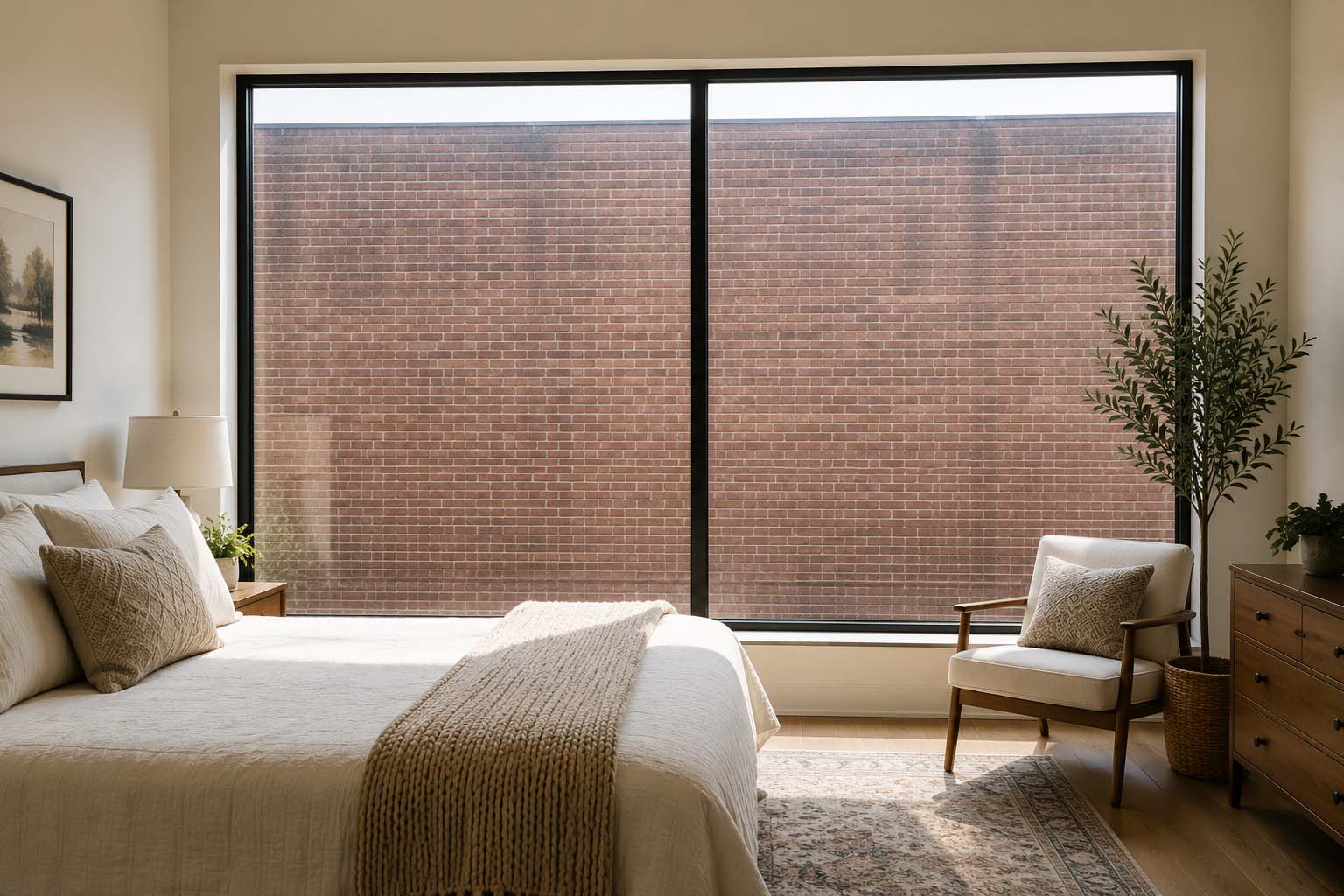

5 Houseplants That Help You Sleep Better
Most of us think about getting better sleep by changing our habits. We adjust our bedtime, put our phones away a little earlier, or try a new nighttime routine. We don’t usually think about whether the bedroom itself is helping.
Your bedroom does a lot more than hold your bed. It’s the place where your mind begins to slow down at the end of the day, and every decorating choice contributes to that experience. The lighting, the colors, the textures, and even the houseplants you choose all play a role.
How Can Houseplants Help You Sleep?
The connection between plants and better sleep isn’t magic. Instead, it’s a combination of small benefits that work together to create a more restful environment.
Some houseplants release relaxing fragrances that may help reduce stress and promote a sense of calm. Others help filter certain airborne pollutants or improve air quality, making your bedroom feel fresher. Even the simple presence of greenery has been associated with creating a more peaceful, restorative space.

🚫 NOT Pet Friendly
1. Lavender
Lavender has long been associated with relaxation, making it one of the best-known houseplants that help you sleep. Its gentle floral fragrance has been shown in studies to support relaxation and may help calm the mind before bedtime.
Beyond its soothing scent, lavender adds beautiful color to a bedroom. The soft purple blooms pair well with neutral color palettes and bring a fresh, natural feel to nightstands, dressers, or sunny windowsills.
Lavender prefers at least three to four hours of direct sunlight each day. Allow the soil to dry slightly between waterings, as consistently damp soil can lead to root rot.
If your bedroom receives plenty of sunlight, lavender is a beautiful way to combine decorating with wellness.

🚫 NOT Pet Friendly
2. Peace Lily
The Peace Lily is loved for its graceful white blooms and glossy green leaves, but it’s also appreciated for helping create a fresher indoor environment. It naturally absorbs moisture from the air, making it especially helpful in bedrooms that feel warm or humid.
Its elegant appearance fits almost any decorating style, whether your bedroom leans modern, traditional, coastal, or farmhouse. Sometimes a single Peace Lily is enough to make an empty corner feel complete.
Peace Lilies are also beginner friendly. Water them about once a week, give the leaves an occasional misting, and place them in bright, indirect light. They’ll reward you with lush foliage that helps your bedroom feel calm and welcoming.
🚫 NOT Pet Friendly
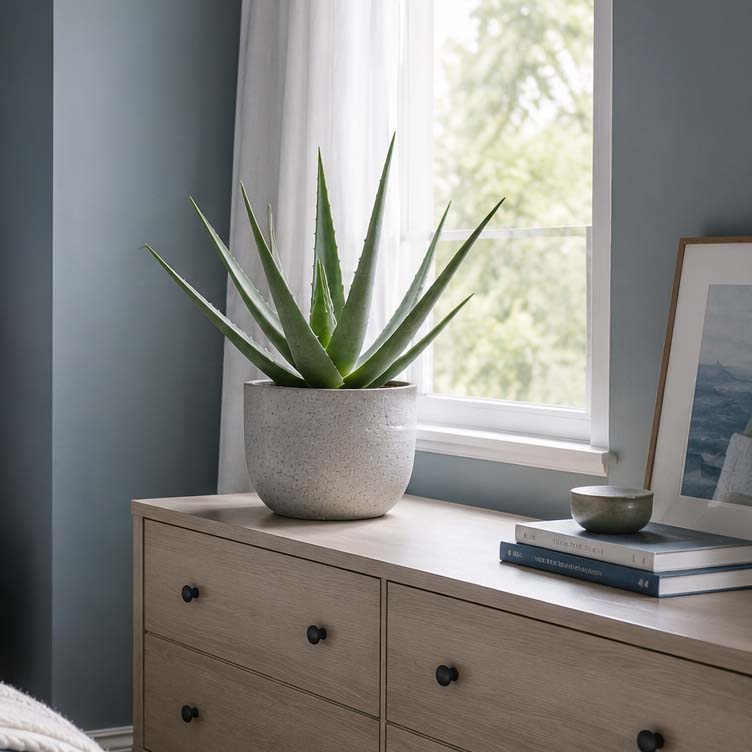
3. Aloe
Most people think of Aloe Vera as the plant that helps soothe sunburns, but it’s also one of the best bedroom plants you can own. Aloe releases oxygen at night, helping contribute to fresher indoor air while you sleep.
Its sculptural leaves give bedrooms a clean, modern look without requiring much maintenance. If you’re someone who occasionally forgets to water plants, aloe is wonderfully forgiving because it stores water in its thick leaves.
Place your Aloe Vera near a sunny window where it can receive several hours of direct sunlight each day. Let the soil dry completely before watering again to keep the roots healthy.
Simple to care for and attractive year-round, Aloe Vera is a practical choice for almost any bedroom.

🚫 NOT Pet Friendly
4. English Ivy
English Ivy is well known for its air-purifying qualities. Research has shown that it can help reduce airborne mold particles while filtering certain indoor pollutants, making it a popular choice for improving indoor air quality.
Its trailing vines also bring softness to a room. Whether displayed in a hanging basket, on a shelf, or cascading from the top of a bookcase, English Ivy adds movement and texture that helps a bedroom feel more relaxed.
English Ivy grows best in bright, indirect light during the warmer months and enjoys more direct sunlight during winter. Water whenever the top inch of soil becomes dry.
If you have pets or young children, keep English Ivy out of reach since it can be harmful if ingested.

💚 Pet Friendly
5. Spider Plants
Spider Plants are one of the easiest houseplants to grow, making them perfect for beginners. They’re also non-toxic to cats and dogs, making them an excellent choice for pet owners.
Known for helping filter common indoor pollutants while trapping dust and airborne particles, Spider Plants contribute to a cleaner-feeling bedroom. Their long, striped leaves add softness without taking up much space, making them ideal for hanging baskets or plant stands.
One of the most enjoyable things about Spider Plants is that they naturally produce baby plants, called spiderettes. These can easily be propagated into new pots, allowing you to decorate more rooms or share plants with friends and family.
Spider Plants thrive in bright, indirect light and only need watering when the top inch or two of soil feels dry.
Tips for Decorating Your Bedroom with Houseplants
Adding plants to your bedroom doesn’t mean turning it into a greenhouse. A few thoughtfully placed plants often have a bigger impact than filling every surface with greenery.
Try placing a Lavender plant on a sunny windowsill where you’ll enjoy its fragrance each morning. A Peace Lily can brighten an empty corner, while a trailing English Ivy looks beautiful on a floating shelf. Spider Plants make excellent hanging plants, and Aloe Vera fits perfectly on a dresser or bedside table that receives plenty of sunlight.
Mixing different leaf shapes, heights, and textures creates visual interest while helping your bedroom feel balanced and lived in.
Create a Bedroom That Helps You Unwind
More than potential wellness benefits, houseplants add color, texture, and life to one of the most important rooms in your home. Whether you’re drawn to the calming scent of lavender, the graceful beauty of a Peace Lily, or the easy-care nature of a Spider Plant, each one helps create a bedroom that feels a little more peaceful at the end of a busy day.
Sometimes the simplest decorating changes make the biggest difference. A single healthy plant can freshen your space, soften your décor, and turn your bedroom into a place where it’s easier to relax, recharge, and wake up feeling ready for the day.
Frequently Asked Questions
What are the best houseplants that help you sleep?
Lavender is often considered one of the best houseplants that help you sleep because of its calming fragrance. Peace Lily, Aloe Vera, English Ivy, and Spider Plants are also popular choices thanks to their air-quality benefits and easy care.
Is it okay to keep plants in the bedroom?
Yes. Most common houseplants are perfectly safe to keep in the bedroom and can make the space feel fresher and more relaxing. If you have pets or young children, check whether a specific plant is considered toxic before bringing it home.
How many plants should you keep in your bedroom?
One to three healthy plants is usually enough to make a bedroom feel fresh without making it feel crowded. Choose plants that fit both the size of your room and the amount of natural light your space receives.

Fur, Claws and Chaos: 7 Pet Friendly Design Ideas
Sharing a home with pets changes the way you decorate. The sofa has to survive claws and fur. Rugs need […]

The First Things Your Guests Notice About Your Home
Have you ever found yourself doing a quick tidy just before someone rings the doorbell? We’ve all been there. A […]